


Origin and Cultural Background of Lehenga Choli and Chaniya Choli
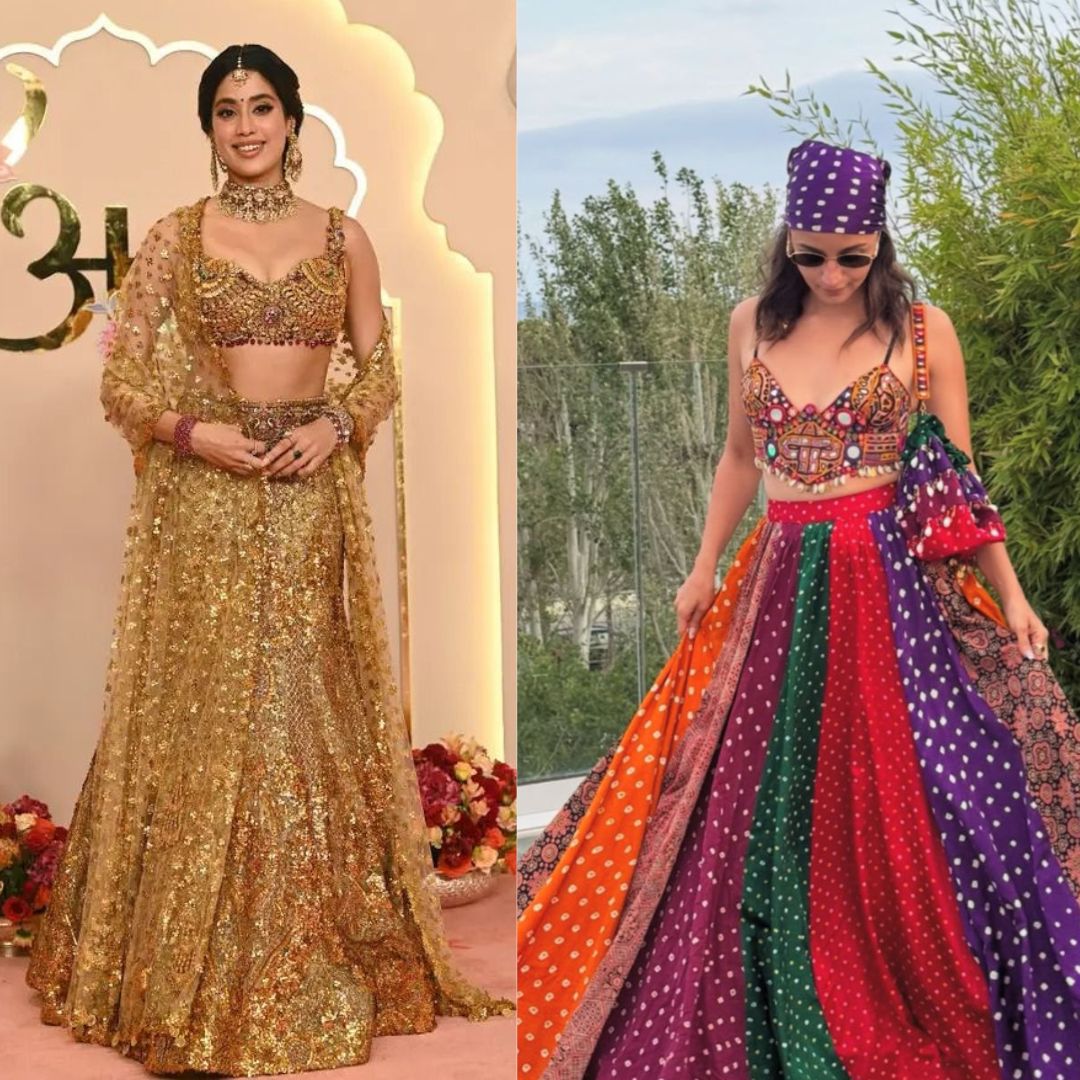
The history of these outfits helps explain why they look different today. Lehenga Choli developed mainly in North India and gained popularity during the Mughal period. Royal families encouraged rich fabrics, detailed embroidery, and graceful silhouettes. Over time, the lehenga became a well-known outfit for weddings and grand celebrations. Even today, brides often choose it because it carries a sense of elegance and tradition.
Chaniya Choli has a very different background. It comes from Gujarat and is deeply connected with local folk culture. Traditionally, women wore it during festivals and community gatherings. The outfit was designed for comfort and movement, especially during Garba and Dandiya dances.
When I show both garments in the store, customers quickly notice the cultural difference. One reflects royal heritage, while the other celebrates vibrant community traditions.
Regional Identity of Lehenga Choli vs Chaniya Choli
Regional culture shapes how these garments are worn even today. Lehenga Choli is strongly associated with North Indian traditions, especially in states like Rajasthan and parts of northern India. Over time, it became the preferred outfit for brides and formal celebrations. The embroidery, fabrics, and colors often reflect a more regal and ceremonial style. Chaniya Choli represents the festive spirit of Gujarat. It is most visible during Navratri, when thousands of people gather to celebrate with Garba and Dandiya dances. The outfits are usually bright, lively, and decorated with mirror work so they sparkle during movement. I often notice that customers planning weddings naturally lean toward lehengas. Those preparing for Navratri celebrations are drawn to Chaniya Choli instead. Once you understand the regional identity behind each outfit, the difference becomes much clearer.Occasions Where Lehenga Choli and Chaniya Choli Are Worn
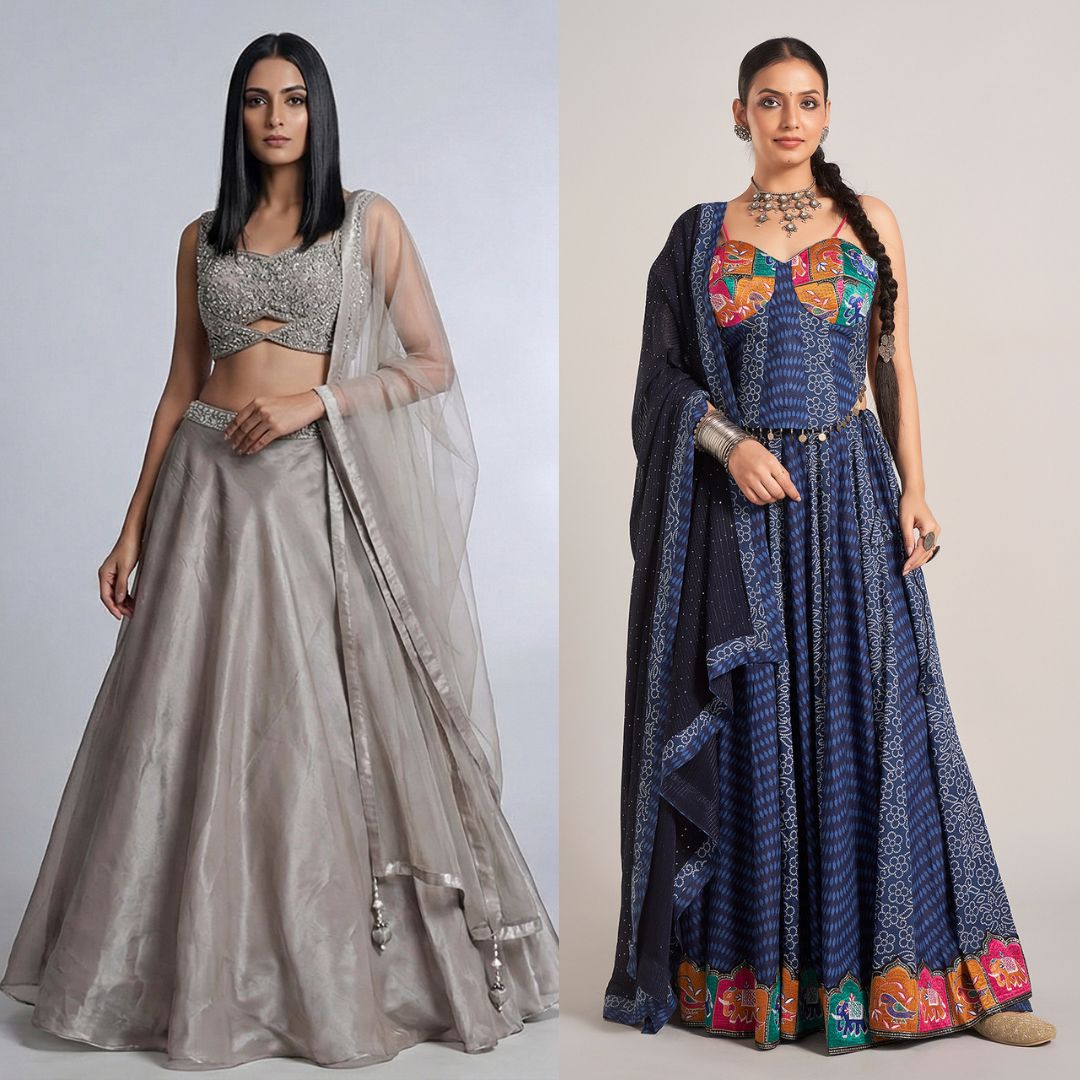
The occasion often helps customers decide which outfit feels more suitable. In the store, I notice that brides and wedding guests naturally lean toward Lehenga Choli because it carries a ceremonial presence. The outfit has long been associated with weddings, engagements, and formal celebrations where elegance and structure matter.
Chaniya Choli appears most often during festive celebrations. It is especially popular during Navratri when people gather for Garba and Dandiya dances. The skirt’s flare and lighter construction allow comfortable movement during long hours of dancing.
In simple terms, the event usually guides the choice.
- Lehenga Choli is commonly worn for weddings, receptions, and bridal ceremonies. • Chaniya Choli is widely worn during Navratri and festive dance events. • Both outfits appear at cultural celebrations where traditional clothing is appreciated.
Embroidery and Craft Work in Lehenga Choli vs Chaniya Choli
Embroidery is often the first detail people notice when they compare these two garments in the store. Lehenga Choli usually carries more elaborate craftsmanship because it is often designed for weddings and formal events. Designers commonly use zari work, thread embroidery, and intricate motifs that create a luxurious appearance.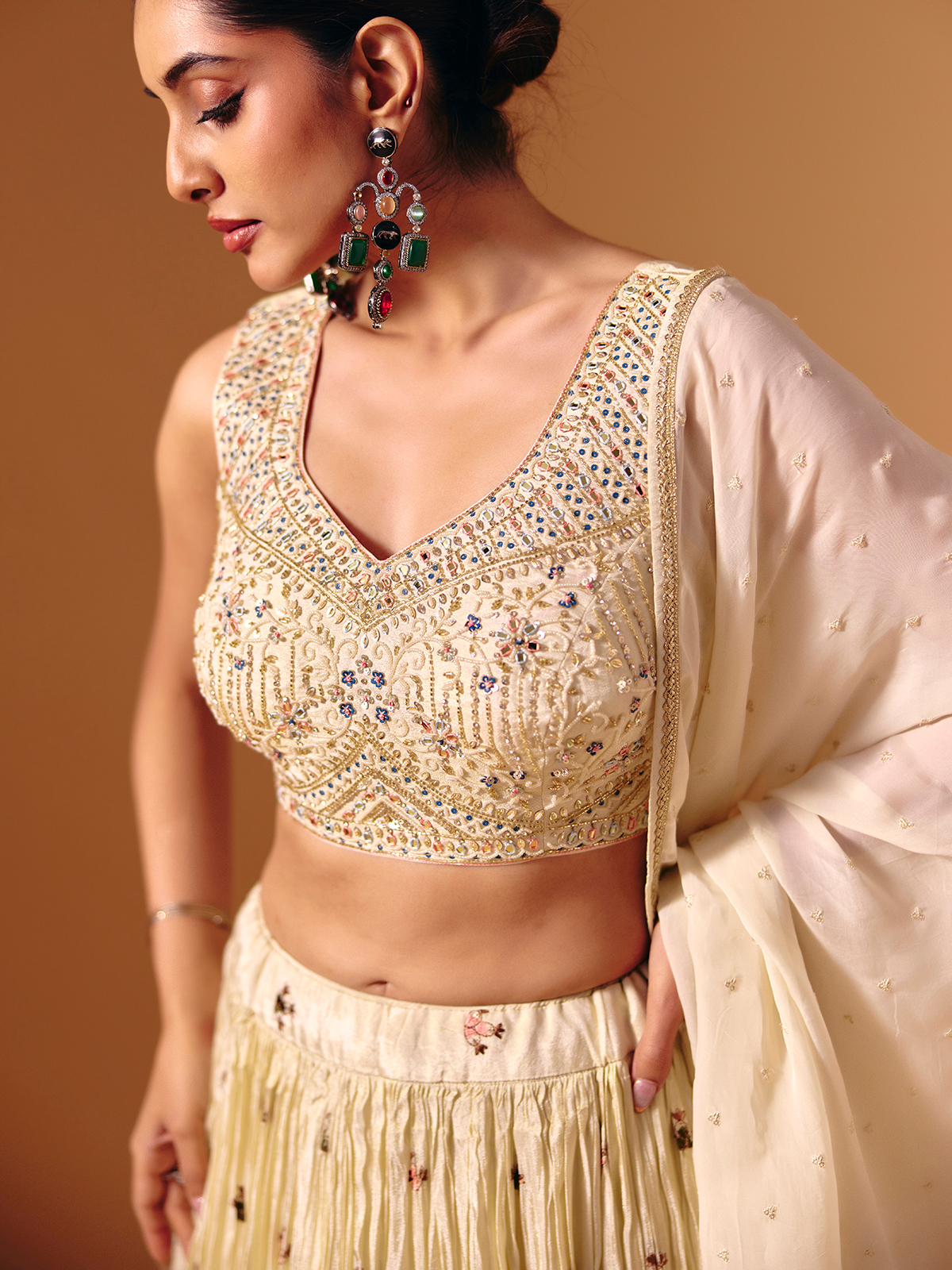 Chaniya Choli embroidery reflects Gujarat’s vibrant folk tradition. Mirror work is one of the most recognizable elements. Small reflective mirrors are stitched into the fabric so the outfit catches light during Garba dances, especially at night festivals.
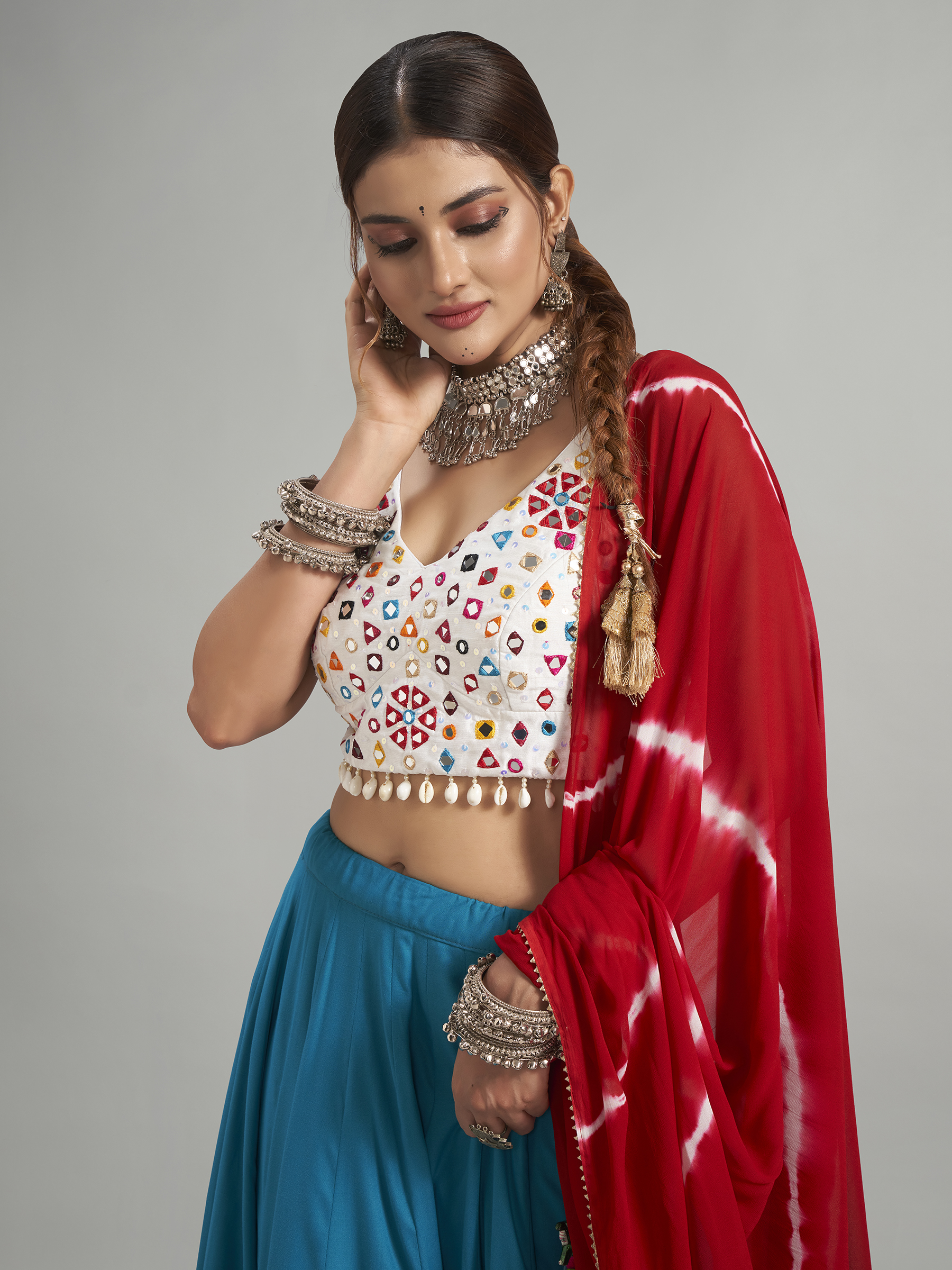 Different craft styles also give each outfit a distinct character.
- Chaniya Choli often features mirror work and colorful thread embroidery. • Lehenga Choli frequently includes zari work and detailed bridal embroidery. • Both garments celebrate traditional Indian artisan craftsmanship.
Fabrics Used in Lehenga Choli vs Chaniya Choli
Fabric choice plays a big role in how these garments look and feel when worn. Lehenga Choli is often made using richer materials because it is frequently chosen for weddings and formal celebrations. Fabrics such as silk and velvet help create structure, volume, and a more luxurious appearance. Chaniya Choli is usually made with lighter fabrics that support comfort and movement. Cotton and breathable materials are common because the outfit is worn during long hours of dancing at Navratri festivals. The fabric allows the skirt to move easily while still carrying bright embroidery and mirror work. The difference becomes clear when you touch the garments in person.- Lehenga Choli commonly uses silk, velvet, and heavier traditional textiles. • Chaniya Choli often uses cotton or lightweight festival fabrics. • Fabric choice reflects the purpose of the outfit and the event where it is worn.
Skirt Design and Silhouette Differences
The skirt shape is one of the easiest ways to tell these two outfits apart. When customers try both in the store, they often notice the difference the moment they walk a few steps. A Lehenga skirt usually has panel stitching. Designers join several fabric panels to create a structured flare that falls smoothly around the body.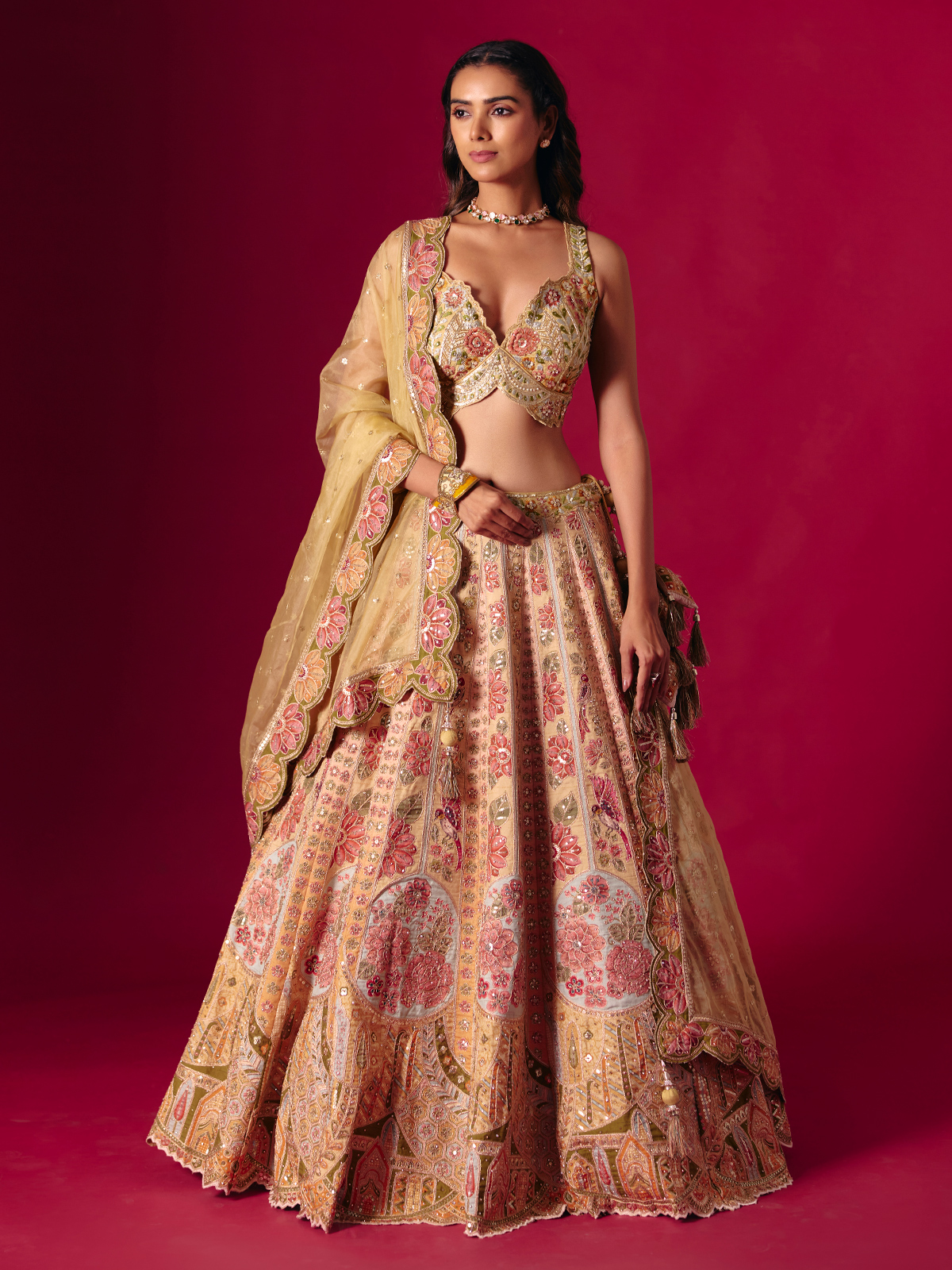 Chaniya Choli skirts feel lighter and more circular. The design allows the skirt to spread out beautifully during Garba or Dandiya dancing. Movement is part of the garment’s charm.
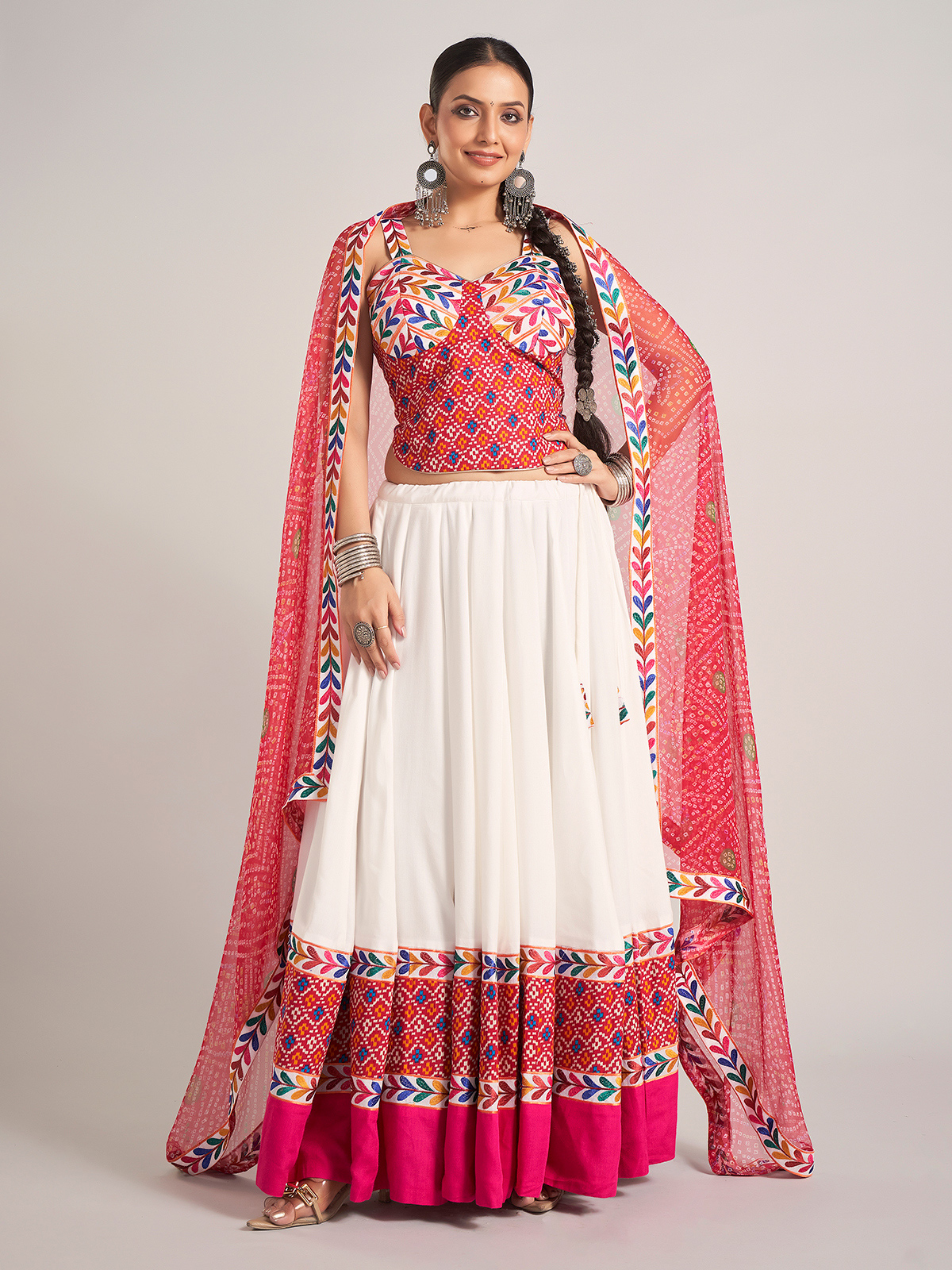 Here are the main silhouette differences customers usually observe:
- Lehenga skirts are often constructed with stitched panels that create a controlled flare. • Chaniya skirts usually have a circular cut that spreads widely while spinning. • Lehenga silhouettes focus on elegance and shape. • Chaniya silhouettes focus on movement and festive energy.
Style Aesthetic and Fashion Appeal
Although both outfits belong to Indian ethnic wear, their visual personalities feel quite different. Lehenga Choli often carries a bridal or ceremonial aesthetic. Rich fabrics, detailed embroidery, and structured silhouettes create a sense of elegance that suits weddings and formal celebrations. Brides and wedding guests often explore visual inspiration for choosing the perfect Lehenga Choli style to understand how fabrics, embroidery, and colors create different bridal looks. Chaniya Choli expresses a festive spirit. Bright colors, mirror work, and lively patterns reflect Gujarat’s folk traditions. The outfit feels energetic and joyful rather than formal. In a store setting, customers usually recognize this contrast quickly.- Lehenga Choli is often associated with bridal fashion and wedding elegance. • Chaniya Choli is closely linked with festival fashion and Garba dance culture. • Lehenga styling often looks regal and polished. • Chaniya styling often looks vibrant and playful.
How to Choose Between Lehenga Choli and Chaniya Choli
Many customers ask the same question during consultations: which outfit should I choose? The answer usually depends on the event, personal comfort, and the style you want to express. Some brides also compare readymade and custom Lehenga Choli options for the perfect wedding fit before making their final decision. If the occasion is a wedding ceremony or reception, Lehenga Choli often feels more appropriate because of its structured design and formal elegance. For Navratri celebrations or Garba nights, Chaniya Choli is usually the natural choice because it supports movement and festive energy. When deciding between the two, I often suggest thinking about a few simple factors:- Event type — wedding, festival, or cultural celebration • Comfort level — dancing movement vs ceremonial presence • Style preference — bridal elegance or vibrant folk fashion • Cultural connection — North Indian tradition or Gujarat festival heritage


