


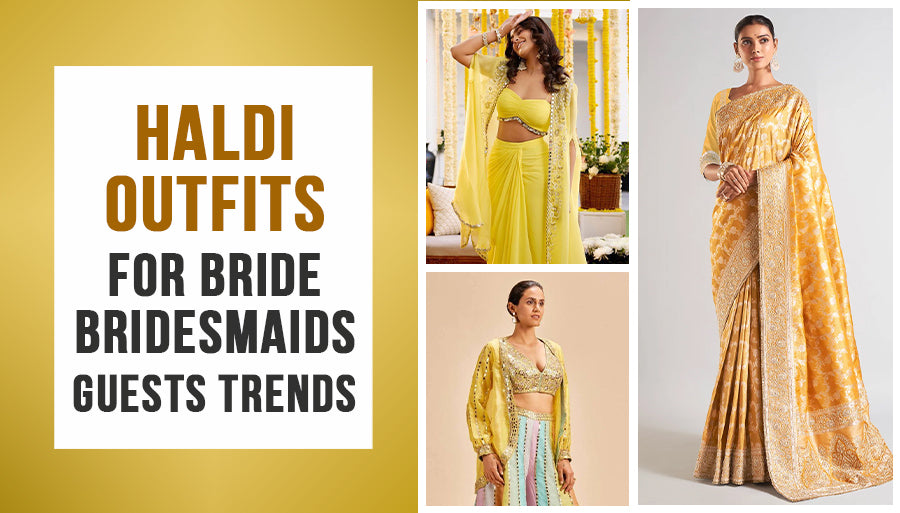
Haldi ceremony outfits for brides, bridesmaids and wedding guests should balance festive styling with daytime comfort, because the turmeric ritual involves movement, laughter and messy paste application. The haldi function, also called Pithi in Gujarat and Gaaye Holud in Bengal, is a pre-wedding purification ritual rooted in Ayurvedic tradition where turmeric paste blesses the couple with prosperity and a natural glow. Choosing the right haldi outfit in 2026 means picking breathable fabrics, joyful colors and silhouettes that photograph beautifully in natural light while allowing freedom to dance, sit and celebrate.
This guide covers every outfit category — from lightweight sarees and relaxed kurta sets to bridal lehengas and even groom haldi wear — along with the best fabrics, trending colors, jewelry, footwear and practical styling tips that work for outdoor daytime ceremonies. You can also explore the complete haldi outfits collection for women to shop curated styles for every role in the ceremony.
What Are the Best Fabrics for Haldi Ceremony Outfits?
Haldi ceremonies usually happen outdoors or in open mandaps during daytime, which makes fabric choice critical. The best haldi outfit fabric is one that feels light against the skin, drapes well for photographs and does not absorb turmeric stains permanently. Comfort and breathability matter more than heavy embellishment for this ceremony.
-
Georgette – Georgette is one of the most popular fabrics for haldi outfits because of its fluid drape and lightweight feel. A printed georgette saree or georgette lehenga moves effortlessly during dance and rituals. Georgette also resists turmeric staining better than cotton, making it a practical choice for the messy haldi ceremony.

-
Tissue Fabric – Tissue fabric has a natural metallic sheen that catches sunlight beautifully in outdoor settings. A tissue lehenga or tissue saree gives photographs a soft golden glow without feeling heavy. This fabric works especially well for brides who want a subtle festive shimmer during the daytime haldi function.

-
Soft Silk and Cotton Silk – Soft silk and cotton silk are preferred by brides who want a traditional yet comfortable haldi look. Cotton silk sarees drape neatly and feel cool against the skin, while pure soft silk adds a richer texture. Both fabrics are easier to clean after turmeric application compared to heavy raw silk or velvet. Browse yellow silk sarees for haldi and wedding ceremonies in various weaves and designs.

- Organza and Chiffon – Organza and chiffon are sheer, ultra-light fabrics that create a dreamy, layered effect in haldi outfit photographs. Organza lehengas with floral appliqué work and chiffon sarees with delicate borders are trending choices for bridesmaids and wedding guests who want an effortless daytime look.
- Mulmul Cotton and Dobby Cotton – For brides and guests in warmer regions, mulmul cotton and dobby cotton offer maximum breathability. Mulmul cotton kurta sets with block prints or dobby-textured palazzo suits provide comfort during extended outdoor haldi ceremonies without compromising on festive appearance.
Which Colors Are Trending for Haldi Outfits in 2026?
Yellow remains the classic haldi ceremony color because it matches the turmeric paste and symbolises happiness, purity and new beginnings in Indian tradition. However, modern brides and bridesmaids are experimenting with a wider color palette that photographs beautifully against marigold décor and natural daylight.
- Classic Yellow and Sunshine Yellow – The most traditional and universally flattering haldi outfit color. Works in every fabric and silhouette from sarees to lehengas. Explore yellow sarees in every shade and fabric for the perfect haldi match.
- Mustard and Mango Yellow – Deeper, warmer tones that suit medium to dark skin tones beautifully. Mustard yellow sarees in silk and cotton silk add a royal touch to the haldi look without straying from the traditional palette.
- Pastel Yellow and Laddoo Peela – Softer shades that look elegant in organza and chiffon fabrics. These lighter yellows are trending for bridesmaids who want to complement the bride without matching identically.
- White and Ivory – One of the biggest haldi trends of 2026. Brides wear all-white outfits so the bright turmeric paste creates a dramatic contrast on fabric, producing stunning photographs.
- Peach, Coral and Orange – Warm-toned alternatives that blend naturally with yellow décor. Peach georgette sarees and coral embroidered kurta sets are popular choices for wedding guests.
- Pastel Green, Mint and Lime – Fresh, unexpected haldi colors that stand out in group photographs. Mint green sharara sets and lime chiffon sarees are gaining popularity for bridesmaids in 2026.
Colors to avoid: Very dark shades like black, deep navy or maroon can look out of place at the bright, daytime haldi ceremony. Heavy jewel tones work better for evening wedding functions like sangeet or reception.
What Are the Best Haldi Salwar Suits and Kurta Sets?
Salwar suits and kurta sets are the most practical and comfortable outfit category for haldi celebrations. They allow unrestricted movement during rituals, are easy to drape, and suit every body type. For bridesmaids and wedding guests especially, a well-styled kurta set strikes the ideal balance between festive appearance and all-day comfort. Shop the full range of yellow salwar suits for haldi and festive occasions to find styles from casual to dressy.
Indo-Western Fusion Kurta Styles

Indo-western fusion styles like crop-top palazzo sets, jacket-style kurtas and cape kurtas are among the most popular haldi outfit trends in 2026. These designs combine traditional Indian silhouettes with contemporary cuts, creating a playful and photogenic look suited for daytime celebrations. A crop top paired with high-waisted flared palazzos in sunshine yellow or mustard creates a modern haldi look that is both stylish and easy to move in.
Dhoti Pants and Patiala Salwar Sets

Dhoti pants paired with short kurtas bring a relaxed yet traditional vibe to haldi outfits. The draped silhouette of dhoti pants originates from classic Indian menswear and adapts beautifully into women's festive fashion. Patiala salwar suits with lightweight mirror work or thread embroidery add volume and movement, which looks beautiful in candid ceremony photographs. Choose cotton silk or georgette Patiala sets in yellow, orange or lime for the best haldi effect.
Mirror Work and Gota Patti Kurta Sets

Mirror work, originating from the Kutch region of Gujarat and Rajasthan, is one of the most iconic embellishment choices for haldi outfits. The small mirrors catch natural sunlight during the outdoor daytime ceremony and create a subtle sparkle in photographs without looking overly heavy. Gota patti work from Rajasthan offers a similar festive effect with golden ribbon appliqué. Both embroidery styles pair best with lightweight fabrics like georgette, chanderi silk and cotton silk in yellow, white or pastel shades.
Anarkali Suits and Flared Kurta Palazzo Sets

Anarkali suits with their floor-length flared silhouette are a timeless haldi outfit choice for both brides and bridesmaids. Traditional prints like bandhani from Rajasthan and kalamkari from Andhra Pradesh have returned strongly in haldi fashion for 2026. A bandhani-printed Anarkali in yellow and orange or a kalamkari kurta palazzo set in earthy tones creates a vibrant, culturally rooted look for the ceremony. Flared palazzo sets in georgette or crepe offer a similar dramatic silhouette with easier mobility.
Which Sarees Work Best for Haldi Ceremony?
Sarees are a timeless haldi ceremony choice, especially for brides and mothers of the bride who prefer a graceful traditional silhouette. The key to choosing a haldi saree is selecting lightweight fabrics in fresh, bright colors that drape well in daytime natural light and can withstand some turmeric paste contact. Explore the curated collection of yellow sarees for haldi ceremony designed specifically for this pre-wedding celebration.
Lightweight Silk and Organza Sarees

A simple yellow silk saree or cotton silk saree brings understated elegance to the haldi without feeling overly elaborate. Organza sarees with delicate embroidered borders and tissue silk sarees with a golden sheen are particularly popular because they photograph beautifully in outdoor sunlight. Brides often choose a Banarasi silk saree in muted yellow or a Chanderi silk saree for a refined traditional haldi look.
Pre-Draped and Concept Sarees

Pre-draped sarees are ideal for bridesmaids and guests who want the elegance of a saree without spending time on draping. These ready-to-wear sarees come with pre-stitched pleats and pallu, making them effortless to carry during the active haldi ceremony. In 2026, concept sarees with dramatic ruffles, pearl tassels and unconventional drapes are trending for brides who want a modern take on the traditional six-yard outfit.
Floral Printed and Embroidered Sarees

Floral prints align perfectly with the cheerful, garden-like atmosphere of haldi ceremonies. Organza sarees with digital floral prints, chiffon sarees with hand-painted motifs and georgette sarees with embroidered floral borders all create a soft, refreshing daytime look. Floral printed sarees in shades of yellow, peach, mint and ivory are versatile enough for brides, bridesmaids and guests alike.
What Are the Top Haldi Lehenga Styles for Brides and Bridesmaids?
Lehengas remain the most photographed and loved outfit choice for haldi ceremonies. A lightweight lehenga with minimal embroidery feels appropriately festive without the weight and formality of a bridal reception lehenga. The ideal haldi lehenga uses breathable fabrics, features bright or pastel colors and has a flared silhouette that looks stunning in twirl photographs. Browse the full range of lehenga choli designs for haldi function curated for brides and bridesmaids.
Bridal Haldi Lehenga Designs

Brides typically choose yellow silk lehengas, gota patti lehengas or floral embroidered lehengas for their haldi ceremony. In 2026, brides are also experimenting with white and ivory lehengas that create a dramatic canvas for the turmeric paste, corset-style blouses with flared skirts and ombré lehengas that blend yellow into peach or orange. Chikankari lehengas from Lucknow in pastel yellow or laddoo peela are another trending choice that combines handcraft heritage with modern bridal styling. Explore yellow lehenga choli designs in silk, georgette and net for more bridal haldi inspiration.
Bridesmaid Haldi Lehenga Ideas

Bridesmaids often choose georgette, crepe or organza lehengas in bright or pastel colors that complement the bride without overshadowing her outfit. Popular bridesmaid haldi lehenga styles include ombré-dyed skirts with minimal embroidery, crop-top choli designs with flared lehenga skirts, and printed lehengas in floral or geometric patterns. Coordinating lehenga colors across the bridesmaid group — such as all wearing different shades of yellow, or all in mint green — creates stunning group ceremony photographs. For more ideas on styling as the bride's sister or closest friend, read our guide on bridesmaid wedding lehenga ideas.
What Jewelry Suits the Haldi Ceremony Look?
Haldi jewelry should feel lightweight, playful and suited to an outdoor daytime celebration. Heavy kundan or polki bridal sets are reserved for the main wedding ceremony. For haldi, brides and bridesmaids choose fresh floral jewelry, minimal gold pieces or statement headpieces that enhance the outfit without weighing it down.
Fresh Floral Jewelry

Floral jewelry made from fresh flowers like marigold, jasmine and roses has become the signature accessory trend for haldi ceremonies. Flower earrings, necklaces, bangles, haathphool (hand chains) and even floral kalire add a natural, fragrant element to the bride's look. Artificial floral jewelry is also popular as a more durable and affordable alternative that bridesmaids can coordinate with the bride.
Maang Tikka and Matha Patti Headpieces

A maang tikka or matha patti (head chain) instantly elevates a simple haldi outfit into a bridal-worthy look. Even with no other jewelry, a well-designed headpiece in gold, kundan or pearls adds the right amount of elegance. In 2026, longer matha patti designs with multiple chains and floral-inspired tikkas are trending for brides who want a statement piece for their haldi photographs.
Minimal Gold and Statement Jewelry

For brides and bridesmaids who prefer understated accessories, minimal gold jewelry works beautifully for haldi. Gold hoops, thin bangles, delicate chain necklaces or a single statement gold kada paired with the haldi outfit create a clean, modern aesthetic. Glass bangles in matching colors are another traditional yet trendy accessory choice for the haldi ceremony.
What Should the Groom and Male Guests Wear for Haldi?
Men's haldi outfits should mirror the same spirit of comfort, color and festivity as the women's wear. The groom typically wears a yellow or white kurta pajama set in cotton, linen or cotton silk. Embroidered kurtas with subtle chikankari or thread work add a festive touch without being overdressed for the casual ceremony. Browse men's kurta pajama sets for wedding celebrations to find the right fit for the groom and male guests.
Male wedding guests can wear plain cotton kurta pajama sets in shades of yellow, beige, off-white or pastel hues. Dhoti-style pants or churidar pajamas paired with a short kurta create a relaxed traditional look. For a modern take, linen shirts paired with white trousers or kurta-jacket combinations in mustard or lime work well for younger guests.
How to Style Your Haldi Outfit: Practical Tips
Styling a haldi outfit goes beyond choosing the right clothes. The complete look involves hair, footwear, accessories and practical preparation for the turmeric ceremony.
- Footwear: Choose comfortable ethnic footwear like embroidered juttis, mojris or kolhapuri chappals. Avoid heels for outdoor ceremonies on grass or uneven ground.
- Hair: Soft, open curls, a side braid with fresh flowers, or a loose bun with a gajra work beautifully for the relaxed daytime setting. Avoid elaborate updos that may fall apart during the active ceremony.
- Makeup: Opt for a natural, dewy makeup look with waterproof base products. Heavy makeup tends to smear when mixed with turmeric paste and water splashes during the haldi ritual.
- Dupatta styling: A contrasting dupatta draped loosely over one shoulder adds a pop of color to a simple kurta set. For sarees, a sheer dupatta pinned at the shoulder keeps hands free for rituals.
- Protecting your outfit: Turmeric stains are difficult to remove from white and pastel fabrics. Apply a fabric protector spray before the ceremony or choose darker yellow and mustard shades that hide haldi paste marks naturally.
- Coordinating with the bride: Bridesmaids should confirm the bride's outfit color before shopping. Choose complementary shades rather than identical colors so the bride stands out in group photographs.
Haldi Outfit Do's and Don'ts
Do: Choose breathable fabrics like georgette, cotton silk and organza that handle heat and turmeric contact well. Do pick colors that complement the daytime setting and marigold décor. Do keep jewelry lightweight and fun.
Don't: Avoid heavy bridal lehengas with extensive zardozi or stone work — they are impractical for the messy, active haldi ceremony. Don't wear very dark colors like black or deep maroon that clash with the bright, joyful ambiance. Don't choose stiff, structured fabrics like heavy brocade or raw silk that restrict movement during rituals and dancing.
Frequently Asked Questions About Haldi Outfits
Can I wear white to a haldi ceremony?
Yes, wearing white or ivory to a haldi ceremony is one of the biggest trends in 2026. White outfits create a beautiful contrast when the yellow turmeric paste is applied, resulting in striking photographs. Many modern brides deliberately choose all-white haldi outfits for this dramatic visual effect.
What is the significance of wearing yellow at haldi?
Yellow is the traditional haldi ceremony color because it matches the turmeric paste used in the ritual. In Indian culture, yellow symbolises purity, happiness, prosperity and new beginnings. The color is also believed to ward off evil spirits and bring good fortune to the couple before marriage.
Should bridesmaids match the bride's haldi outfit?
Bridesmaids do not need to match the bride exactly. A better approach is to choose complementary shades within the same color family — for example, if the bride wears sunshine yellow, bridesmaids can wear pastel yellow, mustard or lime green. Coordinated but not identical outfits create more visually interesting group photographs.
How do I remove turmeric stains from my haldi outfit?
Turmeric stains can be treated by applying lemon juice or a paste of baking soda and water to the stain immediately after the ceremony, then washing the fabric in cold water. For silk and georgette outfits, dry cleaning is recommended. Choosing fabrics in deep yellow or mustard naturally hides minor turmeric marks.
What is the difference between haldi and mehndi outfits?
Haldi outfits are typically simpler, lighter and more practical than mehndi outfits because the haldi ceremony involves turmeric paste application that can stain clothes. Mehndi ceremonies are more formal, allowing for heavier embroidery, richer fabrics and bolder styling. Haldi favors yellow and pastel colors, while mehndi outfits often feature greens, pinks and multi-color combinations. Read our earlier guide on women's haldi outfit trends for additional style inspiration across seasons.
Can wedding guests wear a lehenga to haldi?
Wedding guests can wear a lightweight lehenga to haldi, but a simpler version with minimal embroidery and breathable fabric is more appropriate than a heavily embellished bridal-style lehenga. Kurta sets, sarees and sharara sets are equally popular and often more comfortable guest options for the daytime ceremony.
Haldi outfits in 2026 beautifully blend Indian tradition with modern styling sensibility. Whether you choose a classic yellow saree for haldi, a trendy white lehenga, a comfortable yellow kurta palazzo set or a vibrant printed sharara, the goal is to feel radiant, comfortable and ready to celebrate one of the most joyful rituals of an Indian wedding.


